Stroke recovery often hits a wall. Physical therapy helps, rehabilitation programs make a difference, but roughly 40 percent of survivors face moderate to severe disabilities and at some point the improvements slow down, leaving patients asking what else exists.
What are stem cells
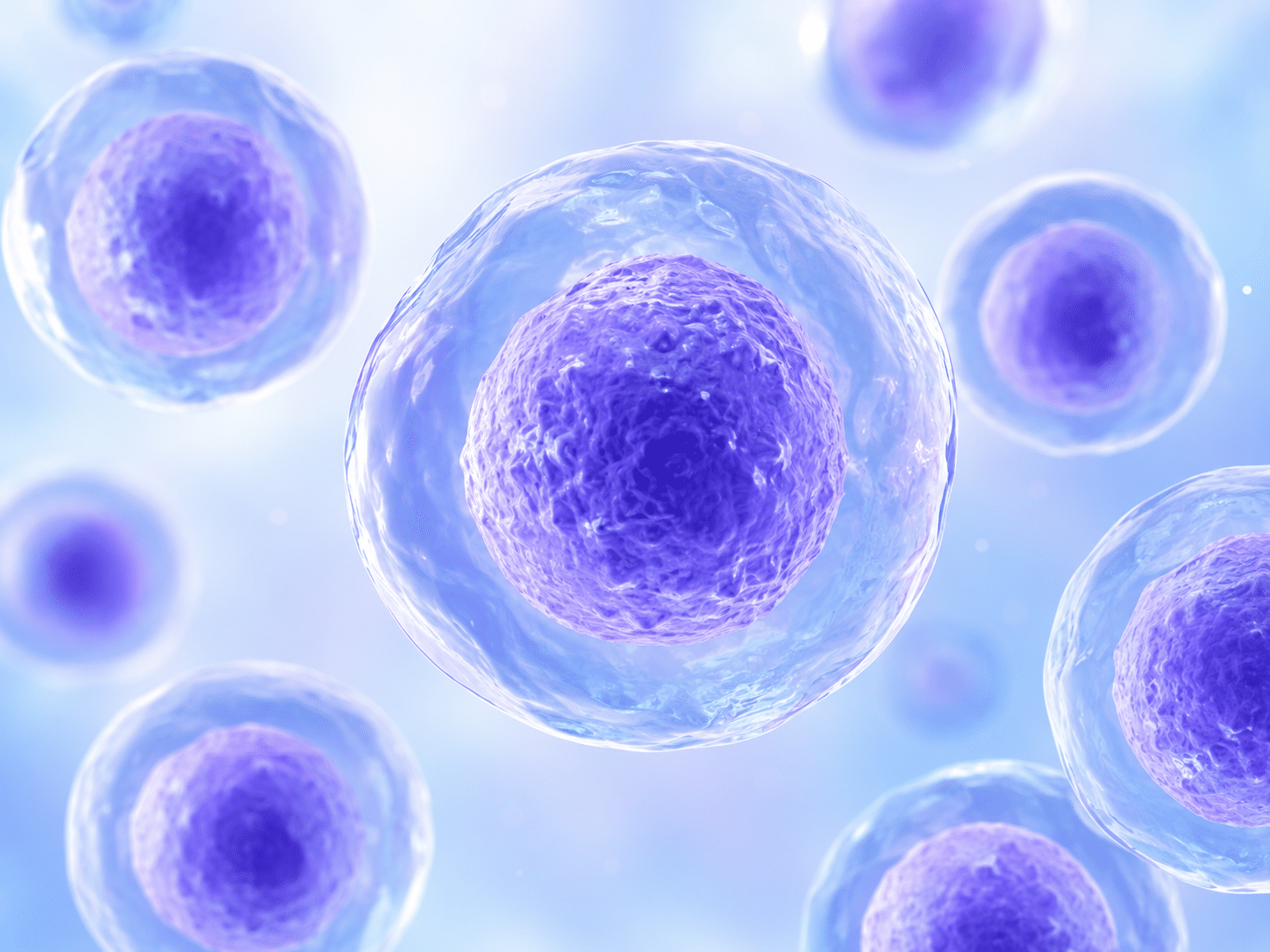
Stem cells are undifferentiated cells — meaning they haven’t yet specialized into a specific tissue type like nerve cells or muscle cells. Think of them as blank slates that can develop into many different cell types depending on the signals they receive.
This remarkable adaptability is precisely why patients travel to Cancun, Mexico for stem cell therapy. At accredited clinics along Mexico’s Caribbean coast, physicians harness this natural biological potential to support healing in ways that aren’t yet widely available elsewhere. For stroke patients especially, this matters deeply — brain tissue damaged by stroke typically cannot repair itself on its own. Stem cell therapy in Cancun offers a pathway to amplify the body’s own regenerative signals, encouraging recovery where conventional medicine reaches its limits.
Three characteristics define stem cells:
- Self-renewal: stem cells can divide and produce more stem cells over time
- Differentiation: they can transform into specialized cells with specific functions
- Signaling: they release growth factors that influence how surrounding tissue heals
Does stem cell therapy work for stroke
The short answer is that it depends. Stem cell therapy for stroke aims to support neurological repair by reducing inflammation in damaged brain tissue and promoting new cell growth. A meta-analysis of 1,527 stroke patients showed significant improvements in neurological function, though individual results range from gains in motor function and speech to more modest changes.
This remains an emerging treatment area. Clinical trials continue to evaluate which protocols work best, what timing produces optimal results, and how long improvements last. The therapy is not a guaranteed cure, but it represents one option that stroke patients explore when conventional rehabilitation has plateaued.
Why choose Cancun for stem cell therapy in Mexico
Cancun has developed into a hub for stem cell therapy within Mexico’s $1.73 billion medical tourism market, drawing patients from the United States and Canada. The city sits just a two to four hour flight from most major US cities, which makes travel manageable even for patients with mobility limitations.
Beyond convenience, Cancun offers a regulatory environment that permits stem cell treatments not yet approved in the United States. COFEPRIS, Mexico’s federal health regulatory agency (similar to the FDA), oversees and certifies clinics that meet safety and quality standards. This certification process provides a layer of accountability that distinguishes legitimate clinics from unregulated operations.
Cost plays a significant role too. Treatments in Cancun typically run considerably lower than comparable options in the US, partly because operational costs differ and partly because the regulatory pathway allows clinics to offer treatments commercially rather than only through expensive clinical trials.
Cost of stem cell therapy in Cancun Mexico
Cancun pricing compared to the United States
Stem cells cost in Cancun generally ranges from $5,000 to $15,000 USD. The final price depends on the cell count, the type of cells used, and the delivery method. In the United States, similar treatments—when available outside clinical trials—can run $25,000 to $50,000 or higher.
| Factor | Cancun | United States |
| Treatment availability | Commercially available | Mostly limited to clinical trials |
| Typical price range | $5,000–$15,000 | $25,000–$50,000+ |
| Regulatory framework | COFEPRIS oversight | FDA restrictions |
| Insurance coverage | Typically not covered | Typically not covered |
Neither US nor international insurance plans typically cover stem cell therapy for stroke, regardless of where the treatment occurs. This means patients pay out of pocket in both locations.
What treatment packages include
Most Cancun clinics bundle services into packages rather than billing each component separately. A standard package usually covers the medical consultation, diagnostic bloodwork, cell preparation and administration, and post-treatment monitoring at the clinic.
Some clinics include airport transfers and hotel coordination in their base price, while others offer these as add-ons. Before committing to any clinic, confirm exactly what your quoted price covers and what costs extra.
Stem cell therapy procedure for stroke recovery
Step 1. Initial consultation and medical review
Treatment starts with a remote consultation, usually conducted via video call. The clinic reviews your medical history, imaging studies like MRIs or CT scans, and current medications. This evaluation determines whether you’re a candidate for treatment and helps the medical team customize your protocol.
Step 2. Diagnostic testing and imaging
Once you arrive in Cancun, the clinic performs bloodwork and any additional diagnostic tests. These establish your baseline health status and inform decisions about cell type, dosage, and delivery method. Some clinics require specific tests before travel, while others handle everything on-site.
Step 3. Stem cell infusion or injection
For stroke patients, administration typically occurs through intravenous infusion. The cells enter your bloodstream and circulate throughout your body, including to brain tissue. The infusion itself usually takes one to two hours, and you remain in a clinical setting throughout.
Some protocols use intrathecal injection, where cells are delivered directly into the spinal fluid. This method aims to get cells closer to the central nervous system. Your clinic will recommend the approach they believe fits your situation.
Step 4. Post-treatment monitoring in Cancun
After the procedure, you stay under observation for several hours. The medical team monitors for any immediate reactions, though most patients experience minimal side effects. Some people report mild fatigue or headache in the hours following treatment.
Step 5. Follow-up and remote support
Clinics provide ongoing communication after you return home. This typically includes scheduled check-ins at regular intervals—often at one month, three months, and six months post-treatment. Many clinics offer telemedicine consultations to track your progress and answer questions as they arise.
Types of stem cells used at Mexico stem cell clinics
Mesenchymal stem cells
Mesenchymal stem cells, often abbreviated as MSCs, are the most commonly used type in regenerative medicine. Clinics derive MSCs from umbilical cord tissue, bone marrow, or adipose (fat) tissue. These cells are known for anti-inflammatory properties and the ability to support tissue repair without triggering immune rejection in the recipient.
Muse cells
Muse cells stand for multilineage-differentiating stress-enduring cells. They’re a naturally occurring pluripotent cell type, meaning they can differentiate into cells from all three primary tissue layers. Fewer clinics offer Muse stem cell therapy compared to MSC therapy, but some position it as a more advanced option for neurological conditions.
Exosomes
Exosomes are not cells but rather tiny vesicles that cells release to communicate with other cells. They carry signaling molecules like proteins and genetic material. Clinics use exosomes to enhance cell-to-cell communication and support regeneration, sometimes alongside stem cell infusions or as a standalone treatment.
How to prepare for stem cell therapy
Preparation begins several weeks before your travel date. Your clinic will provide specific instructions, though some general guidelines apply across most protocols.
- Gather medical records: compile imaging, lab results, and physician notes so the clinic can review your history
- Review medications with the clinic: blood thinners and anti-inflammatories may require temporary discontinuation
- Arrange travel logistics: book flights and accommodation near the clinic, and consider bringing a companion
- Prepare questions: write down concerns to discuss during your in-person consultation
- Plan recovery time: avoid scheduling demanding activities for at least a week after treatment
Hydrating well in the days before your appointment makes IV access easier and supports cellular function during and after the procedure.
How to maximize stem cell results after treatment
What happens after treatment influences outcomes as much as the procedure itself. The weeks and months following your infusion create the environment where cells can integrate and support recovery.
Staying hydrated supports cellular metabolism and circulation. An anti-inflammatory diet rich in omega-3 fatty acids and antioxidants creates favorable conditions for regeneration. Rest matters too, especially in the first 48 to 72 hours when your body directs energy toward healing.
Continuing rehabilitation physical therapy, occupational therapy, or speech therapy as appropriate complements the cellular treatment. Avoiding alcohol and smoking helps because both interfere with regeneration processes. Tracking changes in a journal gives you concrete information to share with your clinic during follow-up consultations.
Stem cell therapy results for stroke recovery
Results vary based on stroke severity, how much time has passed since the stroke, and individual health factors. Some patients notice improvements within weeks, while others experience gradual changes over several months. A portion of patients see minimal change.
Clinics track patient outcomes and many share testimonials, though approaching these with realistic expectations makes sense. Stem cell therapy for stroke is not a guaranteed solution. It represents one option among several that patients explore, particularly when conventional rehabilitation has reached its limits.
Safety and COFEPRIS regulation at stem cell clinics in Cancun
COFEPRIS (Comisión Federal para la Protección contra Riesgos Sanitarios) functions as Mexico’s federal health regulatory agency, similar to how the FDA operates in the United States. Clinics with COFEPRIS certification have met federal standards for safety, quality, and proper cell handling procedures.
When evaluating a clinic, verifying COFEPRIS certification confirms the facility meets regulatory requirements. Asking about cell sourcing protocols ensures sterility and viability of the stem cell preparations. Checking physician credentials confirms that treating doctors are licensed and trained in regenerative medicine. Reviewing facility standards covers proper equipment, hygiene protocols, and emergency procedures.
Schedule Your Appointment
For assistance researching stem cell therapy options in Cancun, reach out to (619) 775-9646
Frequently asked questions about stem cell therapy in Cancun Mexico
How soon after a stroke can someone receive stem cell therapy in Cancun?
Most clinics evaluate patients individually. Some accept patients in the subacute phase, which spans weeks to months after the stroke. Others focus on chronic stroke recovery, typically six months or more after the event. Earlier treatment may offer advantages, though candidacy depends on overall health stability and the specific clinic’s protocols.
Is stem cell therapy for stroke covered by health insurance?
Stem cell therapy in Cancun is typically an out-of-pocket expense. Most US and international insurance plans do not cover treatments performed outside approved clinical trials, regardless of where the treatment takes place.
How long does a stroke patient stay in Cancun for stem cell treatment?
Most treatment protocols require a stay of three to five days. This timeframe allows for the initial consultation, diagnostic testing, the procedure itself, and post-treatment monitoring before returning home.