Stem cell clinics in Cancun range from COFEPRIS-certified facilities with board-certified physicians to operations that promise cures they can’t deliver. The difference between a legitimate treatment experience and a regrettable one with stem cell clinics in Cancun comes down to knowing what to verify before you book.
What Is Stem Cell Therapy in Cancun Mexico
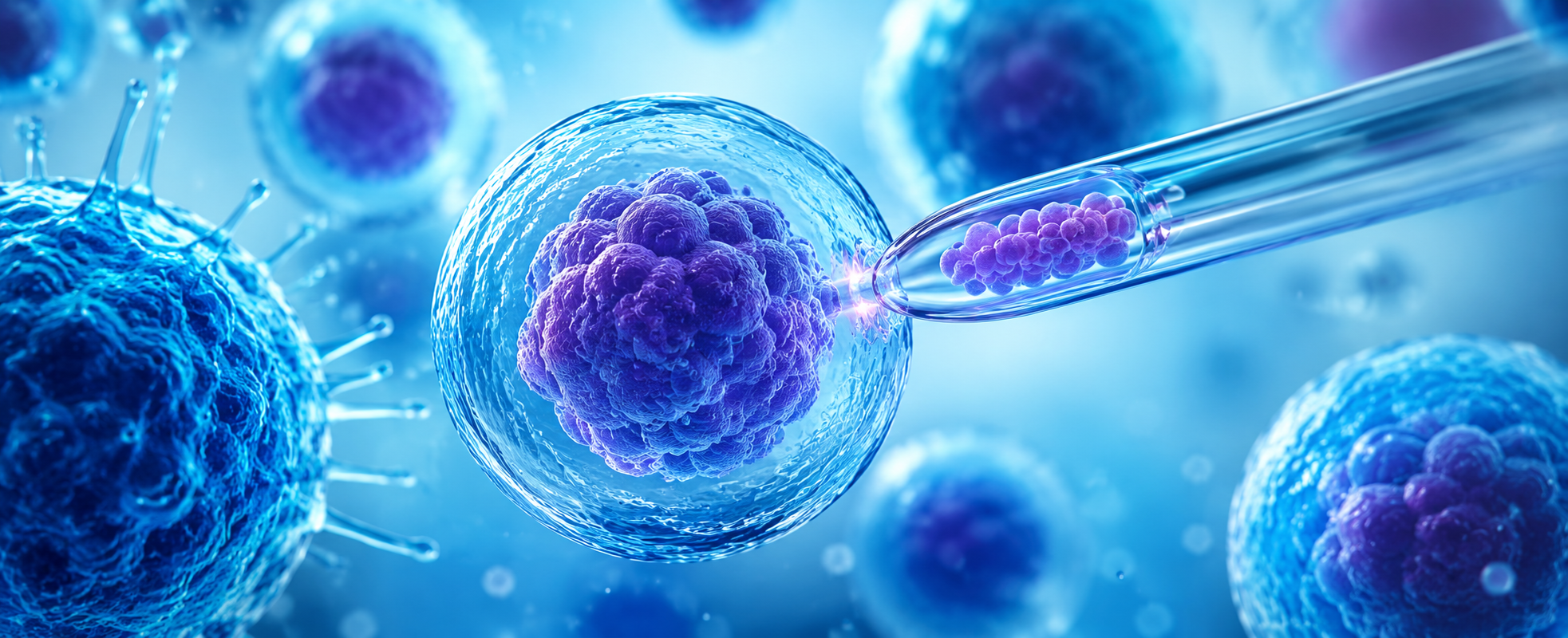
Stem cell therapy uses undifferentiated cells, meaning cells that haven’t yet specialized into a particular tissue type, to support the body’s natural repair processes. In Cancun, clinics typically administer mesenchymal stem cells (MSCs), the subject of over 1,500 registered clinical trials, sourced from umbilical cord tissue, fat tissue, or bone marrow. The cells are delivered through IV infusion for systemic distribution or injected directly into a specific joint or tissue.
Why Cancun specifically? Mexico’s regulatory environment permits protocols that remain restricted in the United States. Patients travel here for orthopedic issues like knee arthritis, autoimmune conditions, neurological concerns, and general wellness protocols. The city has developed a medical tourism infrastructure around this demand, with clinics accustomed to treating international patients.
Why Cancun Is a Leading Destination for Stem Cells Therapy in Mexico
COFEPRIS, which functions as Mexico’s equivalent to the FDA, regulates stem cell clinics operating in the country. This federal agency sets standards for treatment protocols while allowing broader applications than current US regulations permit. For patients seeking treatments unavailable at home, this regulatory difference is the primary draw.
Beyond regulation, Cancun offers practical advantages worth considering:
- Geographic proximity: Direct flights from most major US cities take two to four hours
- Language accessibility: Medical staff at established clinics typically speak English
- Cost structure: Treatment prices generally run lower than comparable US options, with medical procedures in Mexico offering 40% to 70% savings over US pricing
- Recovery environment: Patients can recuperate in a resort setting rather than rushing back to daily routines
The combination of regulatory access and travel convenience explains why Cancun has emerged as a hub rather than other Mexican cities.
What to Look for in a Stem Cell Clinic in Mexico
Choosing a clinic comes down to verifying a handful of concrete factors. The following criteria help separate reputable facilities from questionable ones.
Medical Director Credentials
Start with the lead physician. Look for board certification in a relevant specialty, whether orthopedics, neurology, or internal medicine, plus additional training specifically in regenerative medicine. General medical credentials alone don’t indicate familiarity with stem cell protocols. Ask how many years the physician has been administering stem cell treatments and for what conditions.
Laboratory Standards and Cell Sourcing
Where do the cells come from? Reputable clinics disclose whether they process cells in-house or source from certified tissue banks. Ask whether the facility follows GMP (Good Manufacturing Practice) standards, which govern sterile processing and quality control. A clinic that can’t or won’t answer cell sourcing questions is a concern.
Treatment Transparency and Documentation
Before treatment begins, you’ll want written documentation of your protocol. This includes consent forms specifying cell type, cell count, administration method, and potential risks. After treatment, you receive records detailing exactly what was administered. If a clinic is vague about documentation, that’s worth noting.
Post-Treatment Support
Follow-up care varies considerably. Some clinics schedule phone or video consultations in the weeks after treatment. Others provide written guidance and remain available for questions as they arise. Ask what support looks like before committing, because once you’re back home, you’ll want a clear point of contact.
How to Verify COFEPRIS Certification for a Mexico Stem Cell Clinic
COFEPRIS certification, which requires three distinct license types, indicates a clinic operates within Mexico’s regulatory framework. Verifying this status takes a few steps:
- Visit the COFEPRIS public registry online
- Request the clinic’s certification number directly
- Confirm the certificate matches the clinic’s legal name and physical address
A clinic unwilling to provide this information, or unable to produce documentation when asked, warrants caution. Legitimate facilities have no reason to obscure their regulatory status.
Types of Stem Cells Used at a Stem Cell Cancun Mexico Clinic
Different cell types serve different purposes, and understanding the basics helps you ask informed questions during consultation.
| Cell Type | Source | Autologous or Donor |
| Umbilical Cord MSCs | Donated umbilical tissue | Donor |
| Adipose-Derived | Patient’s fat tissue | Autologous |
| Bone Marrow | Patient’s hip bone | Autologous |
| Exosomes | Cell-derived vesicles | Varies |
Umbilical Cord Mesenchymal Stem Cells
Umbilical cord MSCs come from donated umbilical cord tissue collected after healthy births. Because the cells are young, they have high proliferation potential. This option doesn’t require harvesting anything from your own body, which simplifies the treatment process.
Adipose-Derived Stem Cells
Adipose-derived cells are harvested from your own fat tissue through a minor liposuction procedure. Because you’re receiving your own biological material, this is called an autologous protocol. The harvesting adds a step to treatment but eliminates concerns about donor tissue.
Bone Marrow Stem Cells
Bone marrow stem cells are extracted from the hip bone and have the longest clinical history of any stem cell type. The extraction procedure is more involved than adipose harvesting, but bone marrow remains a well-established source.
Muse Cells and Exosomes
Muse cells (multilineage-differentiating stress-enduring cells) are a newer category with regenerative properties. Exosomes are different altogether. They’re not cells but cell-derived vesicles that carry signaling molecules. Some clinics offer exosomes as standalone treatments or combined with stem cell protocols.
Conditions Treated at a Stem Cell Clinic in Cancun Mexico
Clinics in Cancun offer protocols for various condition categories. Treatment availability doesn’t guarantee outcomes, and individual responses vary considerably.
Orthopedic and Joint Conditions
Knee osteoarthritis, shoulder injuries, degenerative disc disease, and sports injuries are common reasons patients seek treatment. Orthopedic applications have the longest track record in regenerative medicine.
Autoimmune Disorders
Protocols exist for rheumatoid arthritis, lupus, multiple sclerosis, and other conditions where the immune system attacks healthy tissue. Autoimmune applications remain more experimental than orthopedic ones.
Neurological Conditions
Some clinics offer protocols for Parkinson’s disease, stroke recovery, and peripheral neuropathy. Neurological treatments are among the most experimental, and expectations here warrant particular caution.
Anti-Aging and Longevity
Patients without a specific diagnosis sometimes pursue stem cell therapy for general wellness and cellular support. This category is the least defined in terms of measurable outcomes.
How Much Stem Cell Therapy in Cancun Costs
Stem cells pricing depends on several variables, and clinics structure fees differently. Rather than relying on general ranges, request an itemized quote for your specific protocol.
Factors that influence cost include:
- Cell type and source: Donor cells versus autologous harvest, which requires a separate procedure
- Cell count per infusion: Higher counts typically increase price
- Number of treatment sessions: Single-day versus multi-day protocols
- Complementary therapies: IV nutrient drips, hyperbaric oxygen, or other additions
When comparing clinics, make sure you’re comparing equivalent protocols. A lower headline price might exclude components another clinic includes.
What the Treatment Process Looks Like at a Stem Cell Cancun Clinic
The patient journey follows a general sequence, though specifics vary by clinic and condition.
Step 1. Initial Consultation and Medical Review
Before traveling, you submit medical records and discuss your goals with the clinical team, typically via phone or video call. The team reviews your history to confirm you’re a candidate for treatment and recommends a protocol.
Step 2. Pre-Treatment Diagnostics
Upon arrival in Cancun, you undergo blood work and possibly imaging to establish baseline measurements. This step confirms candidacy and provides reference points for tracking response.
Step 3. Stem Cell Infusion or Injection
Administration method depends on your condition. IV infusion delivers cells systemically throughout the body. Local injection targets specific joints or tissues. Intrathecal delivery, meaning into the spinal fluid, is used for certain neurological protocols.
Step 4. Post-Treatment Monitoring
Most clinics ask patients to remain in Cancun for one to three days after treatment. This observation period allows the medical team to monitor for any immediate reactions before you travel home.
Red Flags to Avoid When Choosing a Stem Cell Cancun Clinic
Certain warning signs indicate a clinic may not operate responsibly:
- No verifiable credentials: Unable or unwilling to provide physician CVs or certifications
- Guaranteed outcomes: Promising cures or specific results, which no legitimate clinic can do
- Vague cell sourcing: Unwilling to disclose laboratory details or tissue bank information
- Pressure tactics: Rushing you to book without adequate consultation time
- No written protocols: Refusing to provide treatment documentation before you commit
Any one of these warrants serious pause. Multiple red flags together suggest looking elsewhere.
Questions to Ask Before Booking the Best Stem Cell Clinic in Mexico
During your initial consultation, consider asking:
- What is the medical director’s background in regenerative medicine?
- Where are the stem cells sourced and processed?
- What cell type and count will be used in my protocol?
- What is included in the quoted price?
- What follow-up support is provided after I return home?
- Can you provide references from previous patients?
The answers, and how readily they’re provided, tell you a lot about how a clinic operates.
Recovery and Aftercare After Stem Cells Cancun Mexico Treatment
Recovery timelines vary by treatment type and individual response. Most clinics provide a written aftercare plan outlining what to expect.
A typical timeline looks like:
- Days 1–3: Rest and light walking, avoiding strenuous activity
- Weeks 1–2: Gradual return to normal activities
- Weeks 3–4: Physical therapy or gentle exercise may begin
- Ongoing: Follow-up calls or virtual check-ins with the clinic
Your clinic will provide specific guidance based on your protocol and condition.
Booking Stem Cell Therapy in Cancun with ZignaGenix
For questions about identifying reputable stem cell clinics in Cancun, contact ZignaGenix. We can help connect you with facilities that meet the verification criteria outlined here.
Frequently Asked Questions about Stem Cell Cancun Mexico Treatment
Where did Joe Rogan get his stem cell treatment?
Joe Rogan has discussed receiving stem cell therapy on his podcast but hasn’t disclosed a single clinic by name. He has mentioned treatments in both the US and abroad. Verify any clinic’s credentials independently regardless of celebrity mentions.
Can stem cells repair dementia?
Stem cell therapy for dementia is experimental and not approved as a cure. Some clinics offer protocols aimed at neurological support, but realistic expectations are important. Discuss this directly with a physician familiar with your specific situation.
What is the most reputable stem cell clinic in Mexico?
There is no single “best” clinic. Reputation depends on COFEPRIS certification, physician credentials, laboratory standards, and patient reviews. Evaluate multiple options using the criteria in this article rather than relying on a single recommendation.
How long do stem cell therapy results last?
Duration varies by condition, cell type, and individual response. Some patients report benefits lasting months to years, while others may benefit from follow-up treatments. Your clinic can discuss what previous patients with similar conditions have experienced.
Is stem cell therapy in Cancun legal for US patients?
US citizens can legally travel to Mexico for stem cell therapy. The treatment is regulated by COFEPRIS within Mexico, and patients return home without legal issue.