Stem cell therapy in Cancun has become one of the fastest-growing medical tourism destinations for Americans seeking regenerative treatments at a fraction of domestic costs. The combination of COFEPRIS-regulated clinics, direct flights from major US cities, and treatment prices 50-70% lower than stateside options explains why thousands of patients now cross the border for cellular therapy each year.
What are stem cells and how do they work
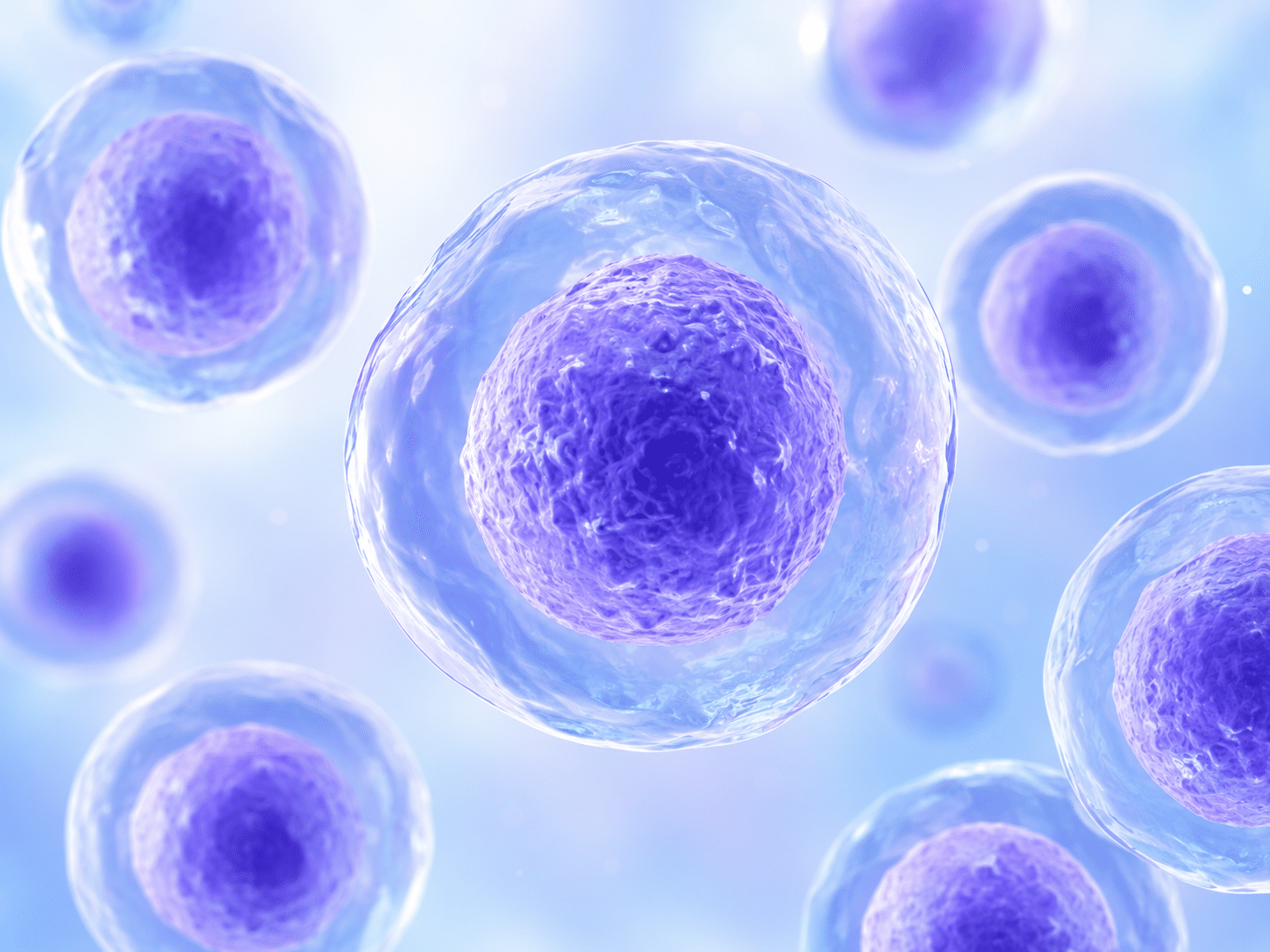
Stem cells are the body’s raw materials—the master cells from which all other cells with specialized functions are generated. Under the right conditions, stem cells divide to form new cells called daughter cells that can replace damaged or diseased tissues. This natural repair mechanism is what draws patients to Cancun for anti-aging treatments, where clinics offer protocols at costs 50-70% lower than comparable US options.
What makes stem cells different from regular cells comes down to three abilities:
- Self-renewal: Stem cells can divide and create more stem cells indefinitely
- Differentiation: Stem cells can transform into specialized cell types like muscle, bone, or nerve cells
- Homing: Stem cells naturally migrate toward damaged or inflamed tissue in the body
For anti-aging applications, clinics typically use mesenchymal stem cells (MSCs) because MSCs can become multiple tissue types and release growth factors that support regeneration. Think of MSCs as repair signals that tell your body where healing is needed.
Why Cancun is the hub for stem cell therapy in Mexico
Cancun became a destination for cellular therapy as part of Mexico’s $1.73 billion medical tourism market, driven by practical reasons rather than marketing ones. The city operates under COFEPRIS oversight, which is Mexico’s equivalent to the FDA. COFEPRIS allows treatments not yet approved in the United States while still maintaining safety standards and certification requirements — the same regulatory framework that has made stem cell therapy in Tijuana, Mexico a longstanding entry point for American patients crossing the border seeking access to these protocols.
The logistics work in Cancun’s favor too. Direct flights connect major US cities to Cancun International Airport daily, and medical staff at established clinics typically speak English fluently. Resort accommodations support post-treatment rest, and the concentration of clinics in one area means patients can compare options without extensive travel. Similar infrastructure has emerged in Puerto Vallarta, Mexico, where a quieter Pacific coast setting draws patients who prefer recovery in a less urban environment while still accessing certified cellular therapy providers.
Cost plays a significant role. Treatments in Cancun often run substantially less than comparable US options, though exact pricing varies by clinic and protocol — a pattern consistent across Mexico’s medical tourism corridor, from border cities like Tijuana to resort destinations including Puerto Vallarta.
Types of stem cells used at Mexico stem cell clinics
Not all stem cells are the same, and the differences matter when evaluating what clinics actually offer.
Mesenchymal stem cells
MSCs are the workhorses of regenerative medicine. MSCs come from umbilical cord tissue, bone marrow, or adipose (fat) tissue and can differentiate into bone, cartilage, muscle, and fat cells. Most anti-aging protocols use MSCs because they’re well-studied and release anti-inflammatory factors that support tissue repair.
Exosomes
Exosomes aren’t actually cells. Exosomes are tiny vesicles that cells release to communicate with each other, carrying instructions for repair and regeneration. Think of exosomes as cellular messengers. Clinics often use exosomes alongside stem cells to amplify the signaling effect throughout the body.
MUSE cells
Multilineage-differentiating Stress Enduring cells, called MUSE cells, are a specific type of stem cell that can home to damaged tissue without the tumor risk associated with some other cell types. MUSE cells are rarer and more expensive, but some clinics consider MUSE cells superior for certain applications due to their safety profile.
Does stem cell therapy work for anti-aging
The honest answer is that evidence is emerging but not conclusive. Stem cell therapy is well-established for certain orthopedic injuries and blood diseases. For anti-aging specifically,several clinical trials are underway but the picture is more nuanced.
Current evidence points in several directions:
- Tissue repair: Documented improvements exist in orthopedic applications
- Inflammation reduction: Observed consistently in clinical settings
- Subjective improvements: Patients frequently report better energy, mobility, and skin quality
- Biomarker changes: Peer-reviewed clinical trials show measurable improvements in aging markers
Individual results vary significantly based on age, baseline health, the specific protocol used, and factors researchers don’t fully understand yet. Reputable clinics track outcomes and can share their data, which is worth asking about during consultations.
Stem cell therapy procedure in Cancun Mexico
Knowing what to expect removes much of the anxiety around medical travel. The typical patient journey follows a predictable sequence.
Step 1. Initial consultation and medical evaluation
Most clinics begin with a remote consultation, often via video call, where physicians review your medical history and determine whether you’re a candidate for treatment. This consultation happens weeks before you travel, giving time to gather records and complete any required pre-testing.
Step 2. Diagnostic testing and biomarker analysis
On arrival in Cancun, you’ll undergo bloodwork, possibly imaging, and baseline measurements. These tests establish your starting point and help the clinic customize your protocol based on your specific biology rather than a one-size-fits-all approach.
Step 3. Cell infusion and delivery
The actual treatment typically involves IV infusion for systemic anti-aging effects or localized injections for specific areas like joints or facial tissue. The infusion itself usually takes one to three hours. Most patients describe the experience as uneventful, similar to receiving IV fluids at a hospital.
Step 4. Post-infusion recovery and monitoring
Clinics observe patients for several hours after treatment before discharge. Most patients return to their hotels the same day and spend the following days resting before flying home. Some clinics recommend staying in Cancun for two to three days post-treatment.
Cost of stem cell in Cancun Mexico compared to the US
Stem Cell Treatment prices in Cancun vary by cell count, cell source, and delivery method. However, the cost advantage over US options is substantial across the board.
| Cost Factor | Cancun Mexico | United States |
| Typical range | $3,750 – $15,000 | $15,000 – $40,000+ |
| Package inclusions | Often all-inclusive | Usually itemized |
| Payment plans | Commonly available | Varies by clinic |
Most Cancun clinics include consultation, cells, and follow-up calls in their packages. Some clinics also include local transportation and hotel partnerships. Travel and lodging are additional expenses you’ll plan separately, though clinic coordinators often help with recommendations.
How to prepare for stem cell therapy
Preparation affects outcomes, and most clinics provide detailed instructions in the weeks before treatment.
Hydration matters more than you might expect. Well-hydrated patients have easier IV access and better cell distribution throughout the body. Increasing water intake starting a week before your appointment helps prepare your system.
Certain medications interfere with stem cell function. NSAIDs like ibuprofen and blood thinners typically require a pause before treatment. However, always coordinate with your prescribing physician before stopping any medication, as some conditions require continuous treatment.
Alcohol and nicotine impair healing responses. Most protocols recommend abstaining for at least 48-72 hours before treatment, and longer abstinence periods may improve outcomes.
Frequently asked questions about stem cell therapy in Cancun Mexico
How long do stem cell therapy results last?
Results vary by individual and condition. Some patients report benefits lasting months to years, while others find periodic booster treatments helpful for maintaining outcomes. Clinics that track long-term data can give you realistic expectations based on patients with similar profiles to yours.
Who is not a candidate for stem cell therapy?
Patients with active infections, certain cancers, or severe blood disorders may not be candidates for cellular therapy. Reputable clinics conduct thorough screening and will decline to treat patients for whom the therapy isn’t appropriate. Thorough screening is actually a positive sign, as it indicates the clinic prioritizes safety over revenue.
What is the most reputable stem cell clinic in Mexico?
Reputation depends on your specific goals and the conditions you want to address. Clinics with active COFEPRIS certification, transparent pricing, published protocols, and verifiable patient reviews are generally trustworthy.