Stem cell therapy in the United States can run $25,000 to $40,000 out of pocket. The same treatment in Cancun typically costs $3,750 to $15,000 a difference significant enough to make a flight and hotel stay feel like a rounding error.
How much does stem cell therapy cost in Cancun, Mexico
Stem cell therapy in Cancun runs between $3,750 and $15,000 USD for most patients. That’s roughly 50-70% less than comparable treatments in the United States, where prices often land between $25,000 and $40,000.
The range is wide because pricing depends on how many cells you receive, how they’re delivered, and what condition you’re addressing. A straightforward IV infusion for general wellness sits at the lower end. A comprehensive protocol for a complex autoimmune condition sits at the higher end.
Here’s how costs typically break down by treatment type:
- Basic IV stem cell infusion: $3,750 to $7,200 for systemic wellness or anti-aging protocols
- Orthopedic joint injections: $5,000 to $10,000 for targeted treatment of knees, shoulders, or spine
- Comprehensive regenerative packages: $10,000 to $15,000, often including 100+ million cells and multiple delivery methods
Most clinics bundle consultation, cell preparation, administration, and initial follow-up into their quoted price. Many also include airport transfers and local transportation.
What determines the cost of stem cell therapy in Cancun
Price differences between clinics come down to a handful of variables. Knowing what drives cost helps you compare quotes and understand what you’re paying for.
Type of stem cells used
Mesenchymal stem cells from umbilical cord tissue typically cost more than cells harvested from your own fat tissue. Umbilical cord cells require specialized processing, testing, and storage before they’re ready for use.
Number of cells per dose
A “dose” refers to the total count of viable stem cells administered during treatment. Thirty million cells costs less than one hundred million cells. Higher counts mean more processing time and more raw material.
Condition being treated
Joint injections for a single knee require fewer cells than a systemic protocol for an autoimmune condition. Complex cases often call for larger doses or multiple treatment sessions, which increases the total cost.
Delivery method
IV infusion is the most straightforward option. Image-guided injections into specific joints require specialized equipment and imaging. Intrathecal delivery, where cells are introduced into spinal fluid, demands additional expertise and monitoring.
Clinic reputation and accreditation
COFEPRIS is Mexico’s federal health regulatory agency, similar to the FDA in the United States. Clinics with COFEPRIS certification invest in laboratory standards, staff training, and quality controls. That investment shows up in pricing.
Cost comparison between Cancun and United States stem cell clinics
The price gap between Cancun and U.S. clinics is large enough that medical travel makes financial sense about 1.4 million Americans seek medical care abroad annually even after adding flights and hotels.
| Factor | Cancun Clinics | United States Clinics |
| Average treatment cost | $5,000 – $15,000 | $15,000 – $40,000 |
| Insurance coverage | Typically out-of-pocket | Rarely covered |
| Regulatory framework | COFEPRIS oversight | FDA restrictions limit options |
| Wait times | Days to weeks | Weeks to months |
| Included services | Often bundled | Usually itemized separately |
Lower operating costs in Mexico account for part of the difference. The regulatory environment also plays a role. Mexico permits certain treatments that remain under FDA review, which means clinics can offer protocols not yet available domestically.
What are Stem Cells?
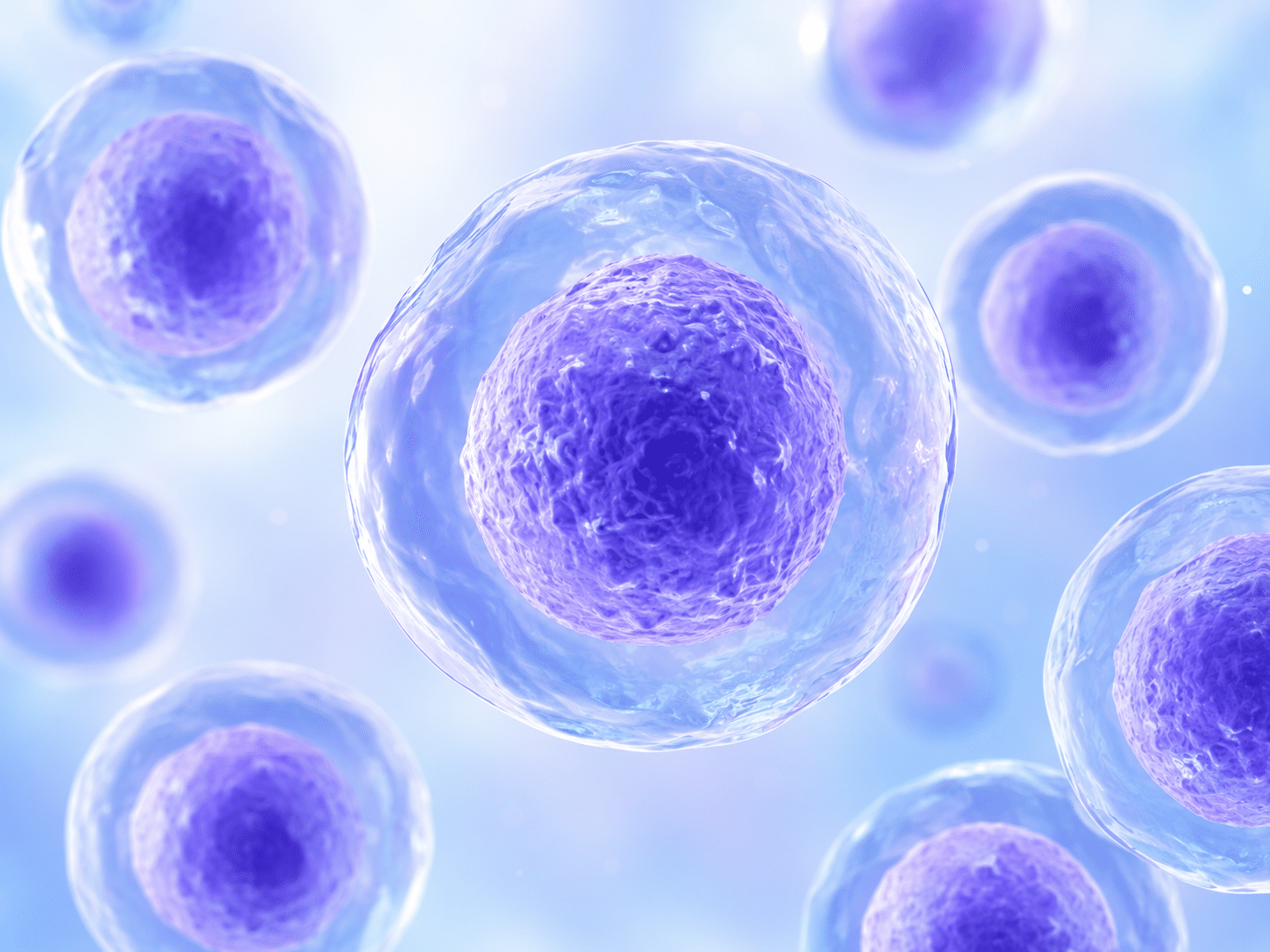
Stem cells are undifferentiated cells, meaning they haven’t yet developed into a specific cell type like muscle, bone, or nerve tissue. They function as the body’s raw materials, capable of dividing and maturing into many different specialized cells.
When introduced into damaged tissue, stem cells can support natural repair processes. They may reduce inflammation, encourage tissue regeneration, and signal surrounding cells to participate in healing. The body already uses stem cells for repair; therapeutic applications aim to amplify that process.
Does stem cell therapy work?
The answer depends on what you’re treating and what outcome you’re hoping for.
For orthopedic conditions like cartilage damage, ligament injuries, and degenerative joint disease, patient outcomes tend to be encouraging. Many people report meaningful pain reduction and improved function after treatment.
For systemic conditions like autoimmune disorders or neurological diseases, results vary more widely. Some patients experience significant improvement. Others see modest benefits or none at all. With over 4,700 clinical trials registered globally, clinical research continues and the science is still evolving.
What stem cell therapy offers consistently is an option for people who haven’t found relief through conventional approaches. It’s not a guaranteed solution, but it represents a reasonable path forward for many.
Conditions treated with stem cell therapy in Cancun
Cancun clinics address a broad range of conditions. Outcomes vary by diagnosis and individual response.
Orthopedic and joint conditions
Orthopedic applications have the strongest track record a 2025 peer-reviewed meta-analysis confirmed significant improvement in knee osteoarthritis outcomes with high-dose MSC treatment. Common examples include knee osteoarthritis, rotator cuff injuries, degenerative disc disease, hip arthritis, and tennis elbow.
Autoimmune disorders
Patients with autoimmune disorders like rheumatoid arthritis, lupus, Crohn’s disease, and multiple sclerosis sometimes pursue stem cell therapy to modulate immune response. The goal is typically to reduce inflammation and slow disease progression.
Neurological conditions
Some stem cell clinics offer protocols for Parkinson’s disease, stroke recovery, traumatic brain injury, and peripheral neuropathy. Results in this category are less predictable than orthopedic applications.
Anti-aging and longevity
A growing number of patients seek cellular therapy not for a specific diagnosis but for general vitality and wellness. Anti-aging protocols focus on systemic rejuvenation rather than treating a particular condition.
Stem cell therapy procedure at a stem cell clinic in Cancun Mexico
The treatment process follows a predictable sequence at most clinics. Knowing what to expect can help you plan your trip and prepare mentally.
Step 1: Initial consultation and medical review
You’ll complete a detailed health questionnaire and speak with a physician, often remotely before traveling. This conversation establishes treatment goals and confirms candidacy.
Step 2: Diagnostic testing
Blood work and sometimes imaging help the medical team customize your protocol. Testing also rules out contraindications that might make treatment inadvisable.
Step 3: Stem cell preparation
Cells are processed in a certified laboratory, counted for viability, and prepared for administration. This happens either before your arrival or on the day of treatment.
Step 4: Cell administration
Depending on your protocol, cells are delivered via IV infusion (typically 30-60 minutes), direct injection into joints or tissues, or intrathecal injection for neurological conditions. The method matches the condition being treated.
Step 5: Post-treatment monitoring
You’ll rest at the clinic for observation, usually a few hours, before returning to your hotel. Staff monitor for any immediate reactions and provide post-care instructions.
How to prepare for stem cell therapy
Preparation can influence your results. Most clinics provide specific instructions, though general guidelines apply across providers.
Step 1: Complete bloodwork and medical screening
Testing confirms eligibility and identifies any conditions that might affect treatment or recovery.
Step 2: Pause anti-inflammatory medications
NSAIDs like ibuprofen and corticosteroids can interfere with stem cell activity. Physicians typically recommend stopping 5-7 days before treatment. Always confirm timing with your provider.
Step 3: Hydrate and adjust nutrition
Drinking plenty of water in the days before treatment makes IV access easier and supports cellular function. An anti-inflammatory diet rich in vegetables, lean protein, and omega-3 fatty acids creates a better environment for healing.
Step 4: Arrange travel and recovery time
Plan to rest for at least 48-72 hours after treatment. Avoid scheduling strenuous activities or long travel days immediately following your procedure.
How to maximize stem cell results after the treatment
What happens after stem cell treatment matters as much as the treatment itself. Post-care habits can support or undermine your results.
Follow the recovery timeline
Healing happens in phases. The first week calls for rest. Weeks two through four allow gradual return to normal activity. Full results often develop over three to six months.
Prioritize sleep and anti-inflammatory nutrition
Your body does repair work during sleep. Continue eating foods rich in antioxidants and omega-3 fatty acids to support regeneration. Processed foods and sugar can increase inflammation.
Add light movement and physical therapy
Gentle walking and prescribed exercises promote circulation without straining healing tissues. For orthopedic conditions, physical therapy can accelerate recovery.
Avoid alcohol, nicotine, and NSAIDs
All three can inhibit stem cell effectiveness. Most clinics recommend abstaining for at least two to four weeks post-treatment.
Schedule follow-up assessments
Regular check-ins with your clinic help track progress. Follow-up also helps determine whether additional treatments might be beneficial down the road.
Expected stem cells results in Cancun Mexico
Setting realistic expectations helps you evaluate your outcome fairly.
- Timeline: Improvements typically develop gradually over weeks to months, not days
- Variability: Results depend on your specific condition, its severity, and your body’s individual response
- Maintenance: Some patients benefit from follow-up treatments at 6-12 month intervals
You might notice reduced pain and inflammation within the first few weeks. Functional improvements like better mobility, increased energy, and enhanced quality of life often take longer to appear. Patience is part of the process.
Is stem cells therapy in Mexico safe and legal
Stem cell therapy is legal in Mexico and regulated by COFEPRIS. Mexico permits certain regenerative treatments that remain under FDA review in the United States, which is one reason patients travel there.
Safety depends largely on choosing an accredited clinic. COFEPRIS certification, GMP-compliant laboratories, and board-certified physicians are markers of a reputable operation. Ask any clinic you’re considering for documentation of their certifications before booking.
Tip: Request proof of COFEPRIS certification and laboratory accreditation during your initial consultation. Reputable clinics provide this documentation readily.
FAQs about stem cell therapy cost in Cancun
What is included in the price of stem cell therapy in Cancun?
Most packages include consultation, stem cell preparation, administration, and initial follow-up. Diagnostic testing, lodging, and extended follow-up may cost extra depending on the clinic.
Are payment plans available for stem cell treatment in Cancun Mexico?
Many clinics offer financing options or installment plans. Ask about payment flexibility during your initial consultation.
Does insurance cover stem cell therapy at a Mexico stem cell clinic?
Most insurance plans do not cover stem cell therapy, whether performed domestically or abroad. Patients typically pay out-of-pocket.
How many stem cell therapy sessions are typically needed in Cancun?
Session count varies by condition. Some patients achieve their goals with a single treatment. Others benefit from two or three sessions spaced months apart.
Can I combine stem cell therapy with a vacation in Cancun?
Yes, though rest takes priority in the first few days. Many patients schedule leisure activities for the latter part of their trip once the initial recovery period passes.