With an estimated 18,350 deaths from brain and nervous system cancer expected in 2026, a brain cancer diagnosis often sends patients searching for treatment options beyond what’s available at home. Cancun, Mexico has become one of the destinations where stem cell therapy is accessible, regulated, and significantly more affordable than comparable U.S. facilities.
What Is Stem Cell Therapy for Brain Cancer
Stem cell therapy in Cancun, Mexico has become a destination for patients exploring regenerative treatments outside the United States. Facilities here operate under COFEPRIS oversight, which is Mexico’s federal health regulatory agency, and offer customized cellular protocols for neurological conditions including brain cancer support.
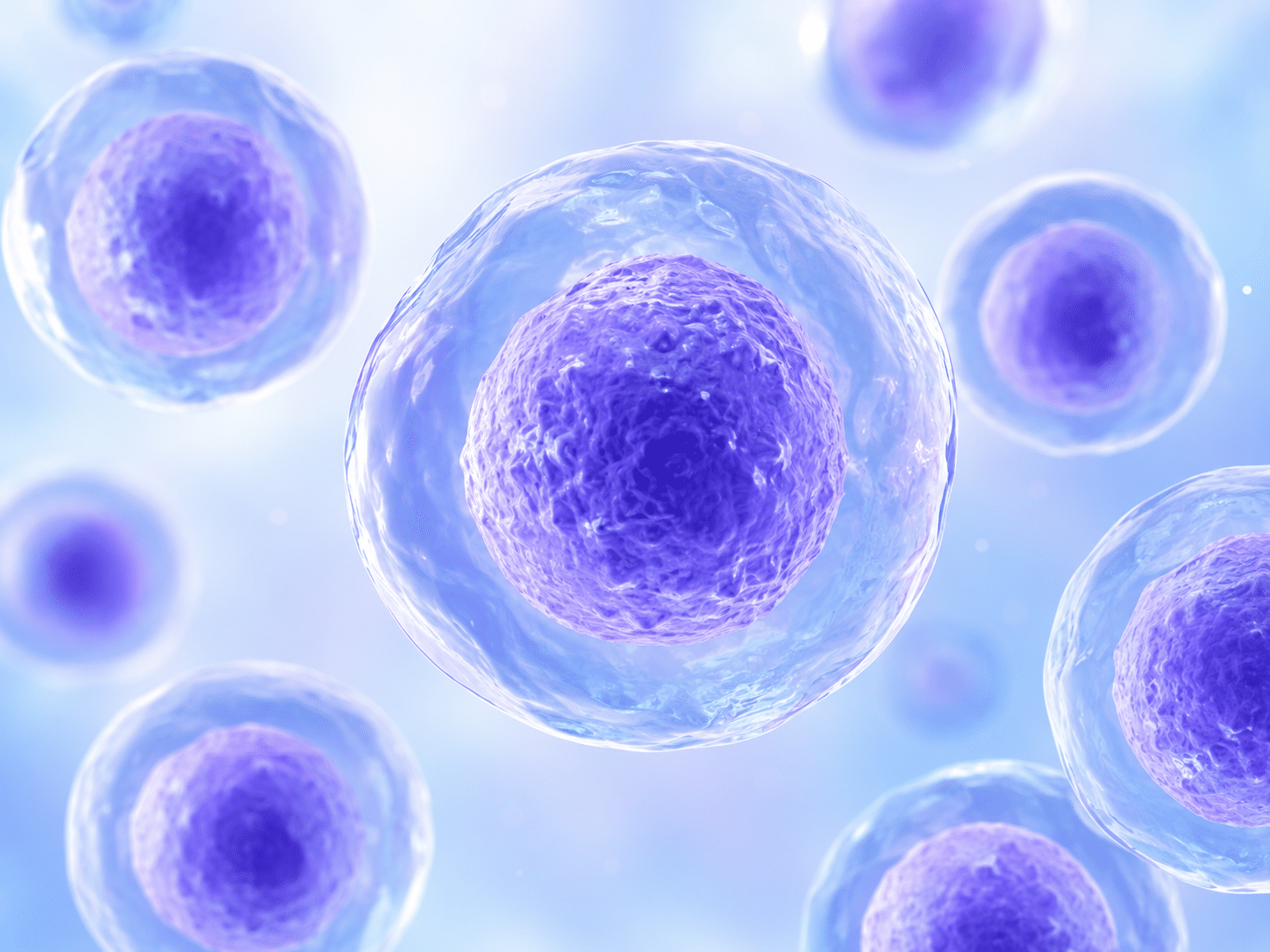
So what exactly are stem cells? Think of them as the body’s raw materials. They’re undifferentiated cells, meaning they haven’t yet decided what type of cell to become. Under the right conditions, they divide and form new cells that can develop into specialized tissue, potentially replacing damaged or diseased cells in the body.
For brain cancer patients, cellular therapy works differently than traditional cancer treatments. Rather than attacking tumors directly, the approach focuses on supporting the body’s repair mechanisms, reducing inflammation, and creating conditions that may help healthy tissue function better.
- Stem cells: undifferentiated cells that can develop into many different cell types
- Cellular therapy: treatment using living cells to repair or replace damaged tissue
- Regenerative medicine: the broader medical field focused on restoring organ and tissue function
Does Stem Cell Therapy Work for Brain Cancer Patients
The honest answer is that it depends. Stem cell therapy shows strong results for certain conditions like orthopedic injuries, some autoimmune disorders, and specific blood diseases. For brain cancer, the picture is more complicated.
Most clinics in Cancun position stem cell therapy as a supportive or experimental approach for cancer patients rather than a primary treatment. Patients often report improvements in quality of life, reduced inflammation, and better symptom management. However, outcomes vary significantly based on cancer stage, overall health, and the specific protocol used.
Clinical trials continue to explore how cellular therapy might help oncology patients. What works well for joint repair or autoimmune conditions doesn’t automatically translate to cancer treatment, so realistic expectations matter here.
Where to Find a Stem Cell Clinic in Cancun Mexico for Brain Cancer
Cancun has emerged as a hub for stem cell therapy for a few practical reasons. First, the city sits just a short flight from major U.S. airports, making travel straightforward. Second, COFEPRIS-regulated stem cell clinics like ZignaGenix operate here with safety standards that parallel FDA oversight. Third, the concentration of specialized facilities gives patients options to compare.
ZignaGenix offers remote consultations before you commit to travel. You can evaluate protocols, ask questions, and review your medical history with their specialists without booking a flight first.
Beyond the medical infrastructure, Cancun offers a recovery-friendly environment. Many patients find it easier to rest and heal in a comfortable setting while staying close to the ZignaGenix team for follow-up care.
Types of Stem Cells Used in Brain Cancer Therapy
Different cell types serve different purposes in regenerative medicine. Knowing what each offers helps you evaluate which protocol might fit your situation.
Hematopoietic Stem Cells
Hematopoietic stem cells are blood-forming cells used in traditional bone marrow transplants. In oncology settings, they’re often combined with chemotherapy protocols to help rebuild the blood and immune system after aggressive treatment.
Mesenchymal Stem Cells
MSCs come from tissue sources like umbilical cord or bone marrow. They support tissue repair, reduce inflammation, and represent the most commonly used cell type in regenerative medicine, with over 1,100 active clinical trials underway worldwide. Many Cancun clinics use MSCs as their primary treatment option.
NK Cells for Cancer
Natural killer cells are part of your immune system’s first line of defense. Unlike other immune cells, NK cells can identify and destroy abnormal cells, including cancer cells, without prior exposure.With 141 clinical trials for solid tumors registered as of 2024, some clinics offer NK cell therapy specifically for oncology patients.
Muse Cells
Muse cells are stress-tolerant pluripotent cells that can migrate to damaged areas and differentiate into whatever cell type is needed. They represent a newer approach in cellular therapy and are offered at select facilities.
Cost of Stem Cell Therapy in Cancun Mexico
Stem Cell Treatment prices in Cancun vary based on several factors. Cell type, number of infusions, diagnostic testing, and follow-up care all influence the final number.
Cancun clinics generally charge significantly less than comparable U.S. facilities. This price difference reflects lower operating costs in Mexico rather than lower quality. COFEPRIS-certified clinics maintain rigorous standards regardless of pricing.
- Factors affecting cost: cell type, number of infusions, diagnostic testing, follow-up care
- Typically included: consultation, cell preparation, infusion, initial monitoring
- Often extra: travel, accommodation, extended follow-up, additional therapies
Tip: Request a detailed breakdown of what’s included before committing. Some clinics bundle airport transfers and concierge services into their packages while others charge separately for everything.
Stem Cells Results in Cancun Mexico for Brain Cancer Patients
Results vary based on individual health factors, cancer stage, and treatment protocol. Some patients report improvements in energy levels, cognitive function, and overall quality of life. Others experience more modest benefits or require multiple treatment sessions to see changes.
The key is maintaining open communication with your treatment team and setting realistic expectations from the start. Stem cell therapy for brain cancer remains an evolving field, and what works for one patient may not work the same way for another.
COFEPRIS Regulation and Safety at a Mexico Stem Cell Clinic
COFEPRIS functions as Mexico’s equivalent to the FDA. The agency regulates medical treatments, including stem cell therapy, and sets standards that certified clinics follow.
- COFEPRIS: Mexico’s federal health regulatory agency responsible for overseeing medical treatments
- Certification requirements: facility standards, cell sourcing protocols, practitioner credentials
- Why verification matters: ensures patient safety and treatment legitimacy
When evaluating clinics, verify COFEPRIS certification directly rather than taking a clinic’s word for it. This provides baseline assurance that the facility meets regulatory standards for safety and quality.
Frequently Asked Questions About Stem Cell Cancun Mexico
Is stem cell therapy for brain cancer legal in Mexico?
Stem cell therapy is legal in Mexico when performed at COFEPRIS-regulated facilities. Clinics follow federal guidelines for cell sourcing and administration protocols.
How long do patients need to stay in Cancun for stem cell treatment?
Most protocols require a stay of several days to allow for consultation, infusion, and initial monitoring. Some patients extend their visit for additional follow-up sessions depending on their treatment plan.
Can stem cell therapy replace chemotherapy for brain cancer?
Stem cell therapy is generally used as a complementary approach rather than a replacement for conventional cancer treatments. Working with your oncologist to determine the appropriate treatment plan remains important.
What are the risks of stem cell therapy for brain cancer patients?
Risks may include infection, immune reaction, or lack of response to treatment. Discussing potential complications with the treating clinic before proceeding helps you make an informed decision.
Does health insurance cover the cost of stem cell therapy in Cancun Mexico?
Most U.S. and international insurance plans do not cover stem cell therapy performed outside the country. Verifying coverage with your provider and asking about clinic payment options ahead of time helps avoid surprises.