


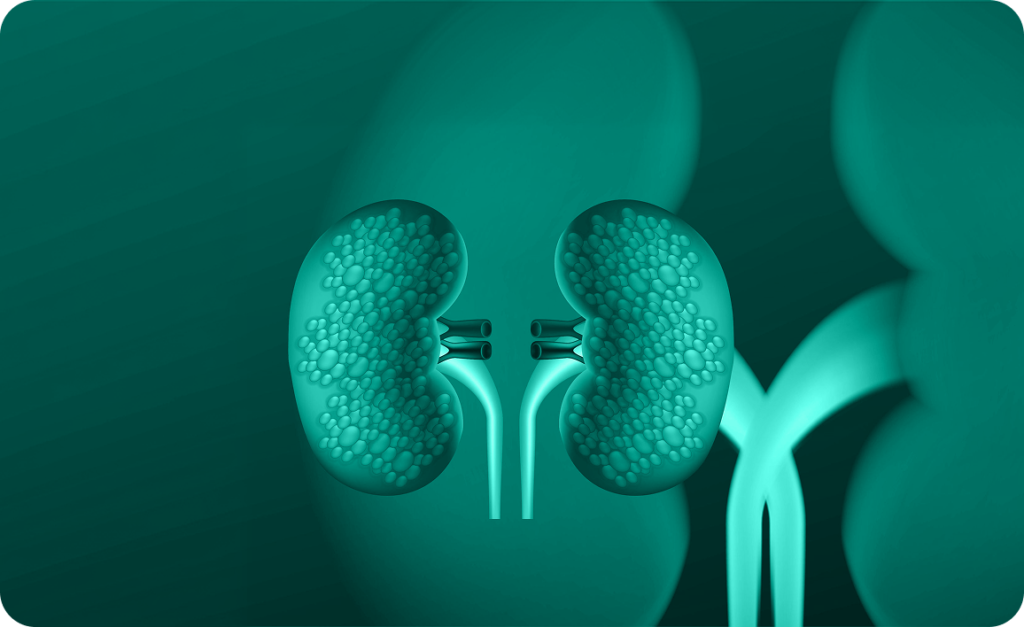

Advanced MUSE cell therapy designed to support kidney repair, reduce inflammatory stress, and help patients explore regenerative care for renal function support
The ZignaGenix MUSE Cell Kidney Repair study is designed for patients exploring regenerative support for kidney conditions that may affect filtration, inflammation, tissue health, or long-term renal function.
Participants may be asked to provide updated blood work after treatment, including creatinine and GFR testing, so the care team can review kidney function and monitor response over time.
MUSE cells are naturally occurring, stress-enduring stem cells that are being studied for their ability to respond to injury signals, support repair activity, and adapt to damaged tissue environments. In kidney care, this is important because renal tissue can be affected by inflammation, scarring, poor filtration, and progressive cellular strain.
MUSE cells are being studied in kidney disease because they may respond to chemical signals released by injured renal tissue. These signals can occur after acute injury, chronic inflammation, scarring, vascular stress, or long-term damage that affects how well the kidneys filter blood.
Their potential comes from how they may support the kidney’s repair environment. MUSE cells can release signals that help calm inflammation, protect stressed renal cells, support small blood vessels, and assist tissue remodeling. In kidney research, they are also being studied for how they may interact with renal cell types involved in filtration and structural support.
This could be particularly beneficial when there is persistent progression of kidney damage over time. Chronic kidney disease, renal failure, and acute kidney injury may all involve scarring, inflammation, and destruction of healthy cells. MUSE cell therapy is being studied as a supportive, regenerative therapy that may help the kidneys maintain healthier tissue function.
Kidney disease is often linked with ongoing inflammation that keeps renal tissue under stress and can worsen scarring over time. MUSE cells may release anti-inflammatory signals and help regulate immune activity, creating a healthier environment for kidney repair and filtration support.
MUSE cells may help heal the kidney by responding to cues from the kidney when kidney tissue is injured or under stress. These signals might direct the cells to sites where the filtering units, tubules, or adjacent blood vessels need help repairing themselves.
Once in the kidney environment, MUSE cells may help protect tubular cells that process filtered fluid and support glomerular structures that remove waste from the blood. Both areas are important because kidney disease can weaken filtration and disrupt fluid balance.
They may also release factors that reduce inflammation, support small blood vessels, lower cellular stress, and assist the body’s response to fibrosis. These effects are being studied in acute kidney injury, chronic kidney disease, renal failure, and glomerular damage.
MUSE cells are studied as non-tumorigenic stem cells, meaning they have not shown the same tumor-forming behavior linked with some other pluripotent cell types. Their safety profile remains an important area of research, and patients are screened carefully before treatment is considered.
MUSE cells are identified by SSEA 3 expression and are studied for their ability to respond to signals from damaged tissue. In kidney-related research, they may adapt toward renal cell types when exposed to the injured kidney environment.
After reaching stressed renal tissue, MUSE cells may support tubular epithelial activity, podocyte-related repair signals, and glomerular stability. This is important because kidney disease can affect filtration, fluid balance, and the structure that protects the kidney’s filtering units. They are being studied as part of a broader repair process that may support healthier renal tissue without uncontrolled cell growth.
Secretion of Factors: MUSE cells can secrete repair-oriented molecules that may support blood vessel function, reduce inflammation, protect stressed renal cells, and assist tissue remodeling. These signals may help the kidney recover in a more balanced cellular environment.
Impact: This may be valuable in kidney disease because damage can continue through fibrosis, inflammation, filtration stress, and cell loss. MUSE cells may help support the body’s repair response and manage long-term renal strain.
Become part of a new era of regenerative care with MUSE cell therapy for kidney disease support.
ZignaGenix provides MUSE cell therapy as an advanced regenerative option for patients exploring new ways to support kidney health. The focus is on renal repair, inflammation balance, filtration support, and helping you understand whether this investigational treatment is suitable for your condition.
Because each patient has a unique diagnosis, level of filtration, laboratory profile, medication history, and overall health status, kidney disease treatment requires careful review. Our team will carefully review your case, discuss the potential benefits and limitations, and guide you through each step with responsible clinical oversight.
MUSE cells are a stress-tolerant stem cell population found naturally in adult tissue. In kidney research, they are important because they may stay active in low oxygen and inflammatory environments, which are common when renal tissue is under pressure.
This is important for kidney disease because kidney tissue can suffer inflammation, fibrosis, poor filtration, and gradual cell loss. MUSE cells may support kidney tissue health by releasing protective signals, calming inflammatory stress, and assisting the body’s repair response in damaged areas of the kidney.
MUSE cells might help treat kidney disease by detecting chemical signals released from injured renal tissue. Once in circulation, they could migrate to injured sites and release factors that protect neighboring cells, maintain microvascular health, and promote conditions favorable for repair.
This is important because kidney injury can be more than filtration. Tubular function, glomerular architecture, blood flow, inflammation, and fibrosis can all play a role in kidney health. MUSE cell therapy is being studied as a supportive regenerative option in the context of careful renal evaluation and medical supervision.
Research on MUSE cells for kidney disease is still developing. Most current evidence comes from early research and preclinical studies, not large human trials. These studies look at whether MUSE cells may help protect injured kidney tissue, reduce inflammation, and support repair activity in conditions linked with kidney damage.
Because human research is still limited, MUSE cell therapy should be viewed as investigational. Results can differ from patient to patient based on diagnosis, kidney function, age, medications, blood pressure, diabetes status, and overall health. Careful screening and follow-up testing are important before and after treatment.
At ZignaGenix, patients receive a clear review of what is known and what still needs more research. Progress may be monitored through kidney markers such as creatinine and GFR, along with symptoms, medical history, and physician guidance.
Early research on cellular therapy has shown side effects that are generally mild and may include temporary fatigue, headache, fever, or local irritation, depending on the method used. The long-term safety is still being studied, and the results and the risks will vary depending on the patient’s health status, diagnosis, kidney function, and overall medical stability.
The main clinical risk is that a patient may not respond as expected. MUSE cell therapy is investigational, and no outcome can be guaranteed. For kidney disease patients, screening is especially important because treatment must be considered alongside GFR, creatinine, medications, blood pressure, diabetes status, and overall renal risk.
For kidney disease, MUSE cells are usually given by IV infusion. Once they enter the bloodstream, they may circulate through the body and respond to signals from stressed or injured renal tissue.
IV-based therapy is less invasive than a direct kidney procedure because the cells do not have to be placed into the kidney itself. Before treatment, the care team reviews blood work, kidney function, medical history, medications, and overall stability to confirm whether IV-based therapy is appropriate.
MUSE cells differ from standard mesenchymal stem cells because they are studied for pluripotent-like behavior, stress tolerance, and selective response to injury signals. They may also show lower immune activity and reduced tumor-forming risk compared with some other pluripotent cell types.
For kidney disease, the main difference is how they are being studied in relation to renal injury signals, filtration structures, and fibrosis related damage. Standard MSC based approaches are usually discussed for broad support, while MUSE cells are being explored for more specific repair behavior in damaged kidney tissue.
Current evidence does not prove that MUSE cells can cure kidney disease. Research suggests they may support renal repair, reduce inflammatory stress, and improve the healing environment in some kidney-related models, but kidney disease is complex and can involve diabetes, hypertension, autoimmune activity, genetic factors, infection, or long-term vascular strain.
ZignaGenix presents MUSE cell therapy as an investigational regenerative option, not a guaranteed cure. The goal is to support the body’s repair process and help eligible patients explore advanced care with realistic expectations, follow up blood work, and careful monitoring of kidney function.
A simple way to understand MUSE cells is to think of them as repair-responsive cells. They appear to recognize signals from stressed tissue, move toward those areas, and help clean up the local environment while supporting healthier repair activity.

MUSE cells may be sourced from donor tissue because they show low immune visibility compared with many other cell types. This means they may be used in allogeneic therapy models without the same level of immune reaction seen with less compatible cells.

SSEA 3 is a surface marker used to identify MUSE cells. Its presence is linked with pluripotent-like behavior, meaning these cells may develop toward cell types from different tissue lineages while still maintaining controlled natural behavior.

A simple way to understand MUSE cells is to think of them as repair-responsive cells. They appear to recognize signals from stressed tissue, move toward those areas, and help clean up the local environment while supporting healthier repair activity.

MUSE cells and MSCs are different cell populations, and the combined use depends on protocol design. At ZignaGenix, treatment planning is reviewed case by case so the timing, method, and therapy type remain aligned with clinical goals.

MUSE cells may start responding to injury signals soon after treatment, but the changes patients can see don’t happen at the same rate for everyone. Heart recovery may take time because cardiac tissue depends on blood flow, controlling inflammation, baseline function, and overall health before measurable improvement can occur.