

Diabetes is an increasingly common condition where the body either fails to produce insulin (Type 1) or becomes resistant to it (Type 2). This results in elevated blood sugar, which can cause severe complications like nerve damage, vision problems, and poor circulation. Managing blood sugar is vital for preventing long-term damage, but traditional treatments often fail to restore full balance.
• Excessive thirst and frequent urination
• Unexplained weight loss
• Fatigue and blurred vision
• Slow-healing sores and frequent infections
Stem cell therapy provides a promising treatment option by addressing the underlying causes of diabetes. In Type 1 diabetes, stem cells can regenerate insulin-producing cells in the pancreas, while in Type 2 diabetes, they help repair tissues damaged by prolonged high blood sugar. Stem cells can also improve blood circulation and reduce inflammation, promoting healing throughout the body.

Stem cell therapy can help restore insulin production in Type 1 diabetes and improve insulin sensitivity in Type 2 diabetes. This therapy may reduce reliance on insulin, reverse complications like neuropathy, and improve the body’s natural ability to regulate blood glucose. Patients often report increased energy, reduced pain, and enhanced overall health after treatment.
• Stem cell therapy for insulin production
• Regeneration of damaged tissues
• Repair of pancreatic cells
• Anti-inflammatory treatments
• Enhanced blood circulation and improved glucose regulation

At ZignaGenix, we pride ourselves on our ongoing collaboration with global research communities. We use scientifically supported methods and protocols, backed by peer-reviewed publications, to deliver proven results.
Don’t let diabetes limit your life. Contact ZignaGenix today to learn how our advanced stem cell therapy can help you manage your diabetes, improve your health, and enjoy a more active life.
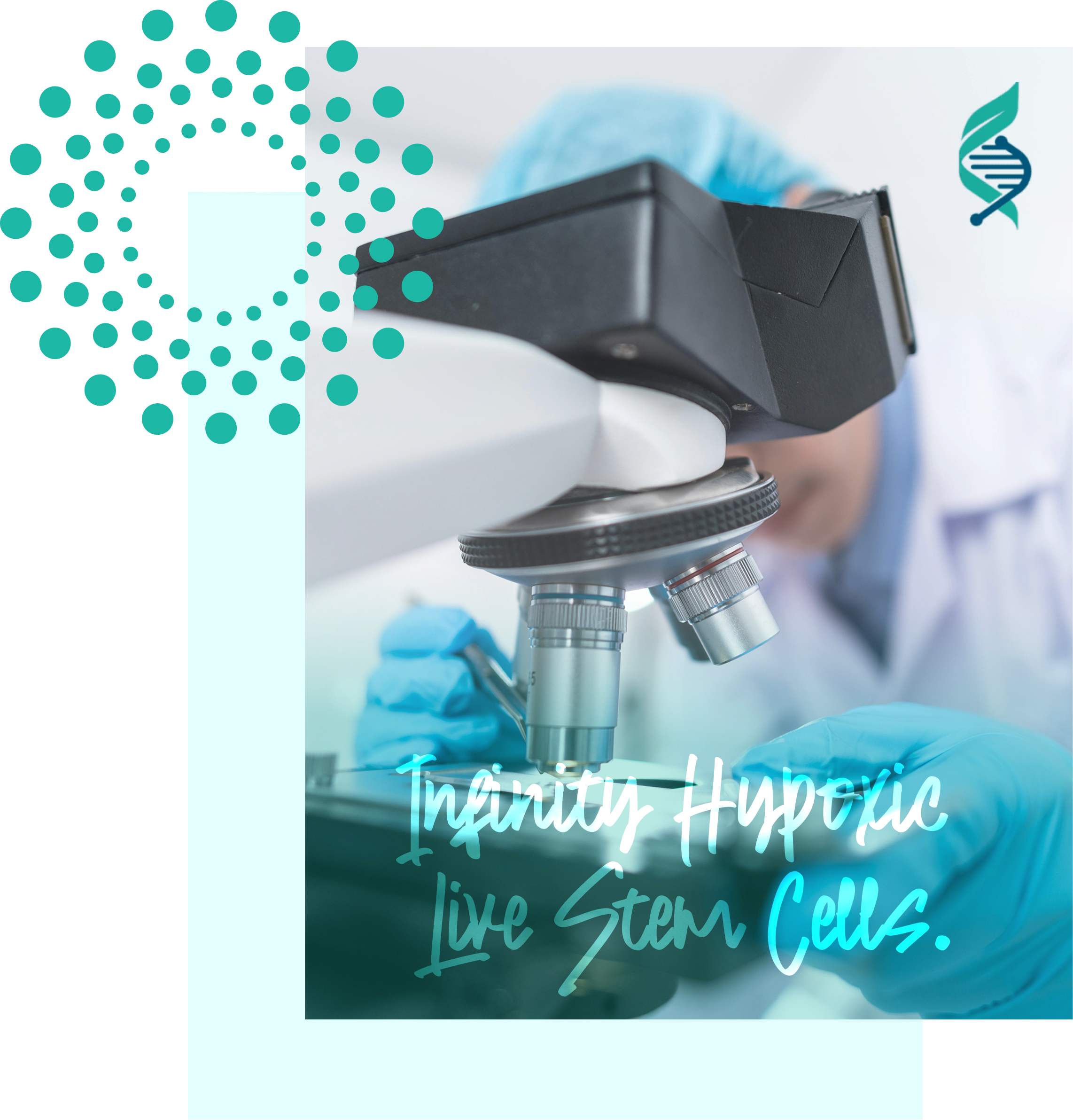
ZignaGenix Hypoxic Cellular Therapy is our signature regenerative program, utilizing high-potency mesenchymal stem cells (MSCs) derived from Wharton’s Jelly umbilical cord tissue. These cells are cultivated under controlled hypoxic (low-oxygen) conditions using proprietary laboratory protocols designed to enhance cellular resilience and biologic activity.
Our advanced cellular platform integrates hypoxic MSCs and MSC-derived exosomes to support immune balance, reduce inflammatory signaling, and promote tissue repair pathways. These cells demonstrate: