

Age is more than a number—it’s how you feel and how you look. Over time, cellular aging reduces the skin’s ability to repair and regenerate. Damaged cells, decreased collagen production, and slower recovery may lead to wrinkles, blemishes, and loss of elasticity.
Advanced cellular therapy is designed to support tissue repair, stimulate collagen pathways, and promote healthier-looking skin for a refreshed, revitalized appearance.
See if regenerative therapy may be right for you.
• Improved skin tone and texture
• Reduction in visible wrinkles and blemishes
• Revitalization of hair follicles
• Support for healthy aging processes
Our medical and scientific teams continue refining cellular protocols to expand aesthetic and wellness applications. Connect with a ZignaGenix Patient Coordinator to explore whether advanced regenerative options are available for your goals.

Advanced cellular therapy offers a forward-looking approach to skin rejuvenation and healthy aging. At ZignaGenix, our protocols are designed to work with the body’s natural repair systems to help:
• Support healing of skin tissue
• Encourage collagen production
• Promote improved skin tone and elasticity
• Enhance overall vitality
Discover how regenerative cellular therapy may offer an alternative to invasive procedures supporting a refreshed appearance and active lifestyle with healthier skin.

• Support skin health and radiance
• Reduce visible wrinkles and blemishes
• Revitalize hair follicles
• Psoriasis
• Eczema (Atopic Dermatitis)
• Chronic wounds or ulcers
• Alopecia
• And more
Schedule a consultation to learn whether regenerative therapy may support your aesthetic and wellness goals.
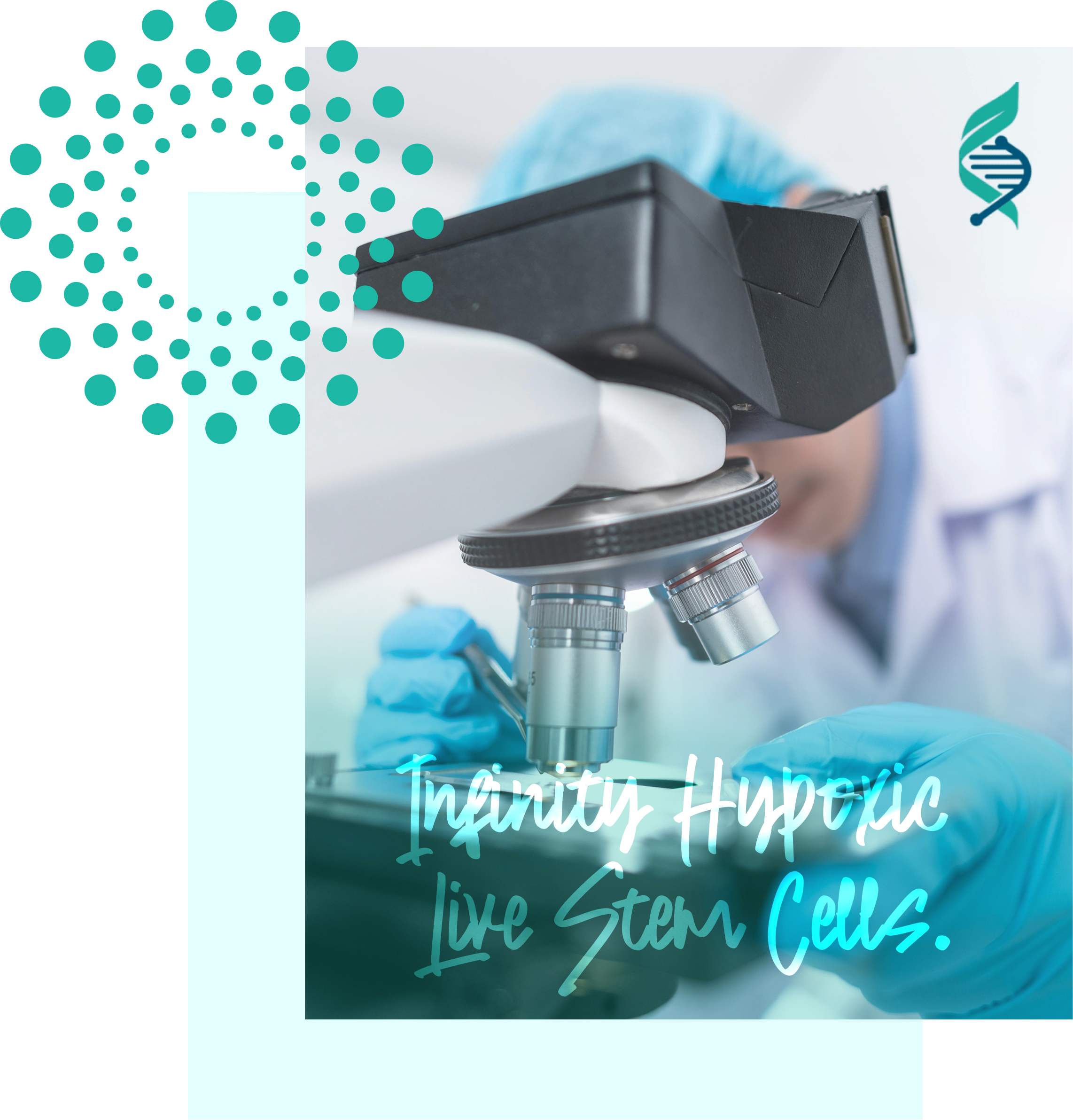
ZignaGenix Hypoxic Cellular Therapy is our signature regenerative program, utilizing high-potency mesenchymal stem cells (MSCs) derived from Wharton’s Jelly umbilical cord tissue. These cells are cultivated under controlled hypoxic (low-oxygen) conditions using proprietary laboratory protocols designed to enhance cellular resilience and biologic activity.
Our advanced cellular platform integrates hypoxic MSCs and MSC-derived exosomes to support immune balance, reduce inflammatory signaling, and promote tissue repair pathways. These cells demonstrate: